CATTI-题库-真题-模拟-课程-直播
 沪江英语
沪江英语
 2013-03-18
 沪江英语
沪江英语
 936次
936次

2013年春季上海中高级口译考试于今日3月17日开考,沪江英语在考后第一时间提供真题、解析、答案信息,本文为2013年3月高级口译听力真题完整版,由沪江网校提供。
Part A: Spot Dictation
Directions:In this part of the test, you will hear a passage and read the same passage with blanks in it. Fill in each of the blank with the word or words you have heard on the tape. Write your answer in the corresponding space in your ANSWER BOOKLET. Remember you will hear the passage ONLY ONCE.
Listening is one of the first things we learn to do and one of the things we do most. The average person spends 9% of their daily communication time writing, 16% reading, 30 % speaking, and 40% listening. Students spend most of their school time listening, up to 60% according to some studies. Yet despite its importance, we usually take our ability to listen for granted. As we have already said, though, listening isn’t easy. The fact is we have different listening styles for different occasions. How successful we are as listeners may depend in part on choosing the right listening style for the situation. Perhaps the most basic listening style is appreciative listening. We listen appreciative when we enjoy music, a birds’ song or the murmur of a book. We need a different style, one called discriminative listening. When we want to single out one particular sound from a noisy environment, you discriminate, for example, when you listen for a friend’s voice in a crowded room. We use a third style of listening: comprehensive listening, when we want to understand. When we listen to directions or instructions, we are using this style. The forth learning style is more complex, therapeutic listening. The style practice by counselors, psychiatrists, and good friends encourages people to talk freely without fear of embarrassment. Friends act as our sounding boards, when we just want someone to listen. The therapeutic listener in conversation with a troubled friend accepts what he said tries hard to understand. And above all, makes no judgment. The fifth style, critical listening, is the one we will examine most closely. Critical listeners are the most active of all listeners. Because they are working hard to decide whether what someone else says make sense. Critical listeners evaluate what they hear and decide if another person’s message is logical, worthwhile or has value. We need to be critical listeners, when someone wants us to buy some things, vote a certain way, or support a particular idea. We also need to be critical listeners in school, where listening and thinking are almost synonymous.
评析:
本篇文章是关于听的能力的分类介绍,题材为生活科普。主要介绍了五种不同的听的方式,并举例说明了这些方式是如何在不同条件下使用。文章难度属于中等,说明性文章,有明确的逻辑条理,通过中间的逻辑连接词,如the first, the third, the forth, the fifth…; for example等词,较易抓听关键信息。但文中有部分词汇,可能仍会对考生造成困扰:如appreciative, discriminative,psychiatrist,therapeutic等。建议考生平时注意对与生活息息相关的科普文进行关注。

 点赞(0)
点赞(0)

 收藏
收藏
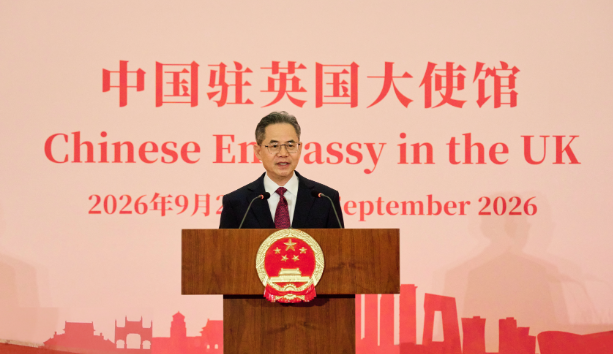
Tonight, we are gathered here to celebrate the 77th anniversary of the founding of the People’s Republic of China. On behalf of the Chinese Embassy in the UK, I would like to extend a warm welcome to all of you and my most sincere thanks for your long-sta
驻英使馆 2026-10-08 10:06:45
收藏资讯
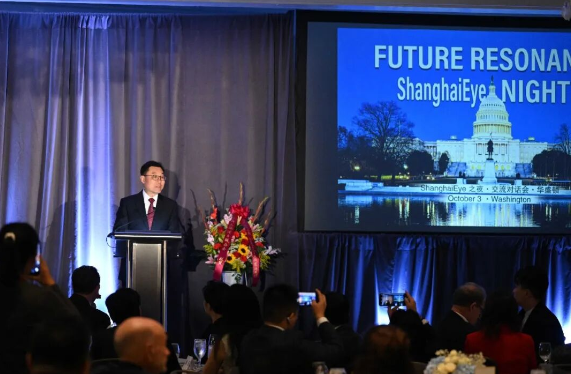
It gives me great delight to join you at the "Future Resonance — ShanghaiEye Night" China-U.S. people-to-people exchange events, which are also part of the "Shanghai Let's Meet" city promotion initiative.
驻美使馆 2026-10-08 09:48:03
收藏资讯
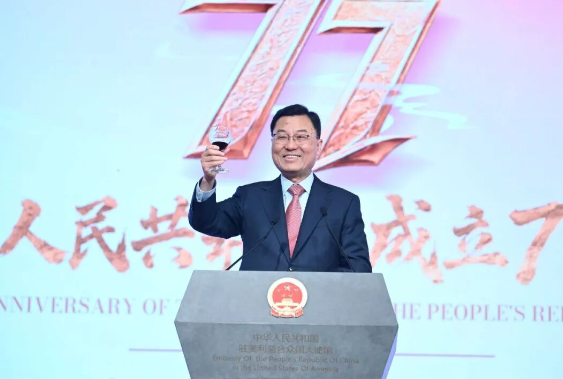
I am delighted to welcome you to our reception celebrating the 77th anniversary of the founding of the People’s Republic of China. Let me extend a warm welcome to you all and express my heartfelt thanks to friends from all walks of life who have long supp
驻美使馆 2026-10-08 09:46:22
收藏资讯

Welcome to the High-Level Dialogue on the Fifth Anniversary of the Global Development Initiative (GDI). In September 2021, President Xi Jinping put forward the GDI at the 76th Session of the United Nations General Assembly.
新华网 2026-09-28 11:17:47
收藏资讯

微信公众号

微信小程序
 登录
登录