CATTI-题库-真题-模拟-课程-直播
 天之聪教育
天之聪教育
 2014-08-05
 天之聪教育
天之聪教育
 1532次
1532次

2014年5月份二级笔译实务(英译汉)真题出处
均出自《纽约时报》
1.乔布斯夫人的新闻报道(节选)
Marlene Castro knew the tall blonde woman only as Laurene, her mentor. They met every few weeks in a rough Silicon Valley neighborhood the year that Ms. Castro was applying to college, and they e-mailed often, bonding over conversations about Ms. Castro’s difficult childhood. Without Laurene’s help, Ms. Castro said, she might not have become the first person in her family to graduate from college.
It was only later, when she was a freshman at University of California, Berkeley, that Ms. Castro read a news article and realized that Laurene was Silicon Valley royalty, the wife of Apple’s co-founder, Steven P. Jobs.
“I just became 10 times more appreciative of her humility and how humble she was in working with us in East Palo Alto,” Ms. Castro said.
The story, friends and colleagues say, is classic Laurene Powell Jobs. Famous because of her last name and fortune, she has always been private and publicity-averse. Her philanthropic work, especially on education causes like College Track, the college prep organization she helped found and through which she was Ms. Castro’s mentor, has been her priority and focus.
Now, less than two years after Mr. Jobs’s death, Ms. Powell Jobs is becoming somewhat less private. She has tiptoed into the public sphere, pushing her agenda in education as well as global conservation, nutrition and immigration policy.
“She’s been mourning for a year and was grieving for five years before that,” said Larry Brilliant, who is an old friend of Mr. Jobs. “Her life was about her family and Steve, but she is now emerging as a potent force on the world stage, and this is only the beginning.”
But she is doing it her way.
“It’s not about getting any public recognition for her giving, it’s to help touch and transform individual lives,” said Laura Andreessen, a philanthropist and lecturer on philanthropy at Stanford who has been close friends with Ms. Powell Jobs for two decades.
While some people said Ms. Powell Jobs should have started a foundation in Mr. Jobs’s name after his death, she did not, nor has she increased her public giving.
Instead, she has redoubled her commitment to Emerson Collective, the organization she formed about a decade ago to make grants and investments in education initiatives and, more recently, other areas.
“In the broadest sense, we want to use our knowledge and our network and our relationships to try to effect the greatest amount of good,” Ms. Powell Jobs said in one of a series of interviews with The New York Times.
2.关于人文学科衰落的新闻报道(删改)
In the past few years, I’ve taught nonfiction writing to undergraduates and graduate students at Harvard, Yale, and Columbia’s Graduate School of Journalism. Each semester I hope, and fear, that I will have nothing to teach my students because they already know how to write. And each semester I discover, again, that they don’t.
The teaching of the humanities has fallen on hard times. So says a new report on the state of the humanities by the American Academy of Arts and Sciences, and so says the experience of nearly everyone who teaches at a college or university. Undergraduates will tell you that they’re under pressure — from their parents, from the burden of debt they incur, from society at large — to choose majors they believe will lead as directly as possible to good jobs. Too often, that means skipping the humanities.
In other words, there is a new and narrowing vocational emphasis in the way students and their parents think about what to study in college.
There is a certain literal-mindedness in the recent shift away from the humanities. It suggests a number of things.
One, the rush to make education pay off presupposes that only the most immediately applicable skills are worth acquiring. Two, the humanities often do a bad job of explaining why the humanities matter. And three, the humanities often do a bad job of teaching the humanities.
What many undergraduates do not know — and what so many of their professors have been unable to tell them — is how valuable the most fundamental gift of the humanities will turn out to be. That gift is clear thinking, clear writing and a lifelong engagement with literature.
Writing well used to be a fundamental principle of the humanities, as essential as the knowledge of mathematics and statistics in the sciences. But writing well isn’t merely a utilitarian skill. It is about developing a rational grace and energy in your conversation with the world around you.

 点赞(0)
点赞(0)

 收藏
收藏
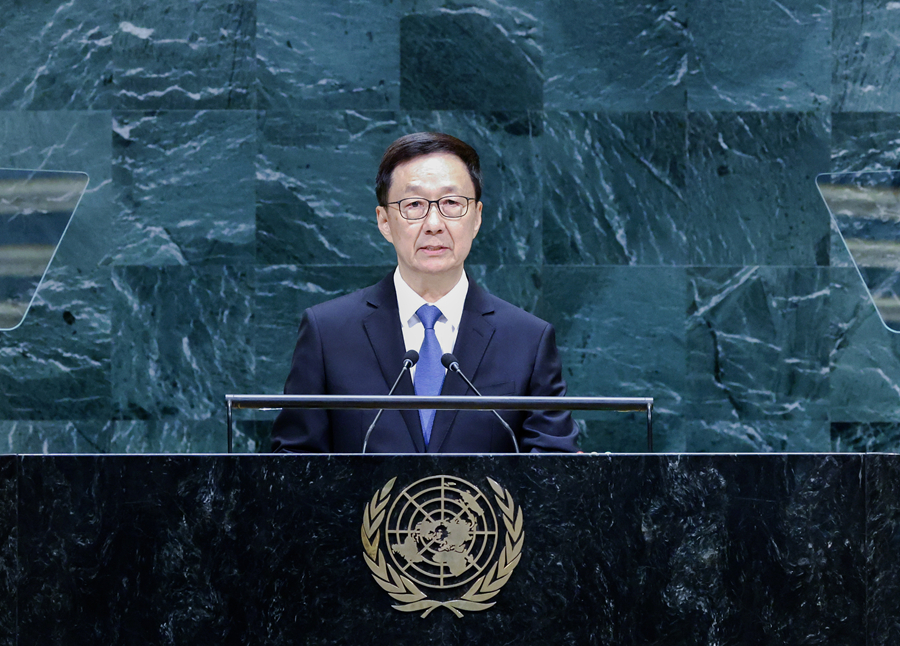
Welcome to the High-Level Dialogue on the Fifth Anniversary of the Global Development Initiative (GDI). In September 2021, President Xi Jinping put forward the GDI at the 76th Session of the United Nations General Assembly.
新华网 2026-09-28 11:17:47
收藏资讯
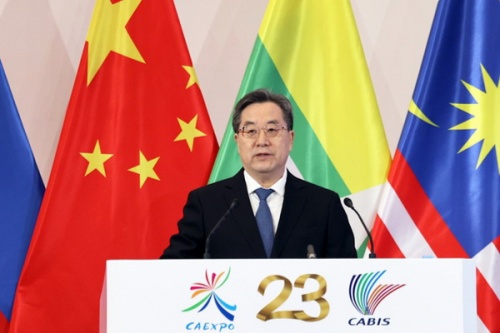
大家上午好!金秋时节,丹桂飘香。很高兴同大家相聚广西南宁,共同出席第23届中国—东盟博览会暨中国—东盟商务与投资峰会开幕式。本届博览会、峰会以“共享3.0机遇,共创美好生活”为主题,具有重要现实意义。
新华网 2026-09-28 11:16:41
收藏资讯
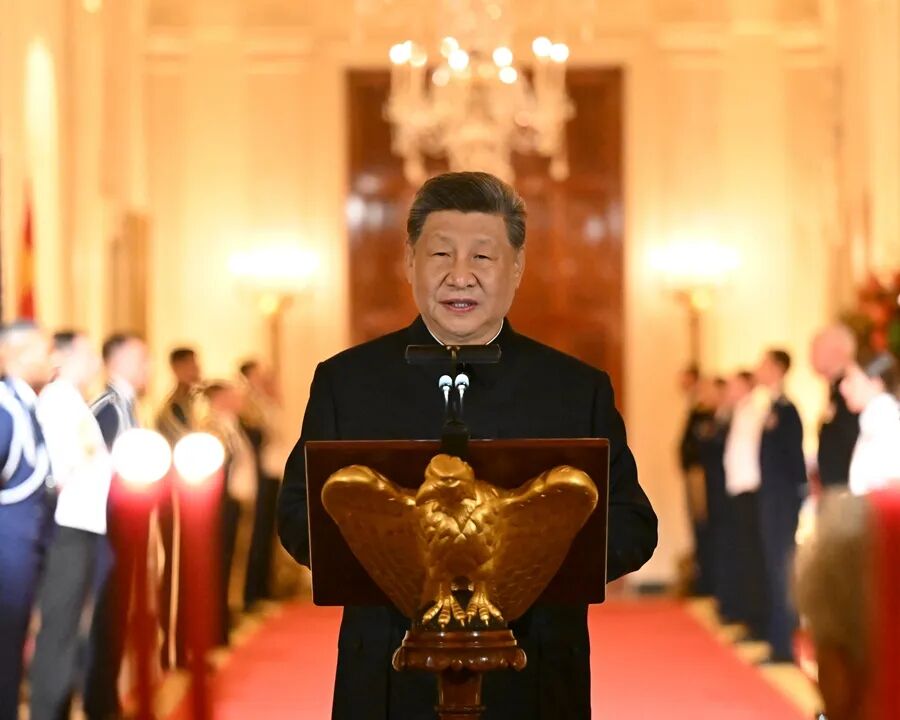
感谢特朗普总统和梅拉尼娅女士给予我和我夫人的热情接待和周到安排。总统先生和夫人为这次访问做了很多特殊安排,处处都体现出细致和用心,让我们感到宾至如归。在此,我谨向所有关心、支持中美关系发展的美国各界人士致以诚挚问候!
外交部 2026-09-28 11:15:38
收藏资讯
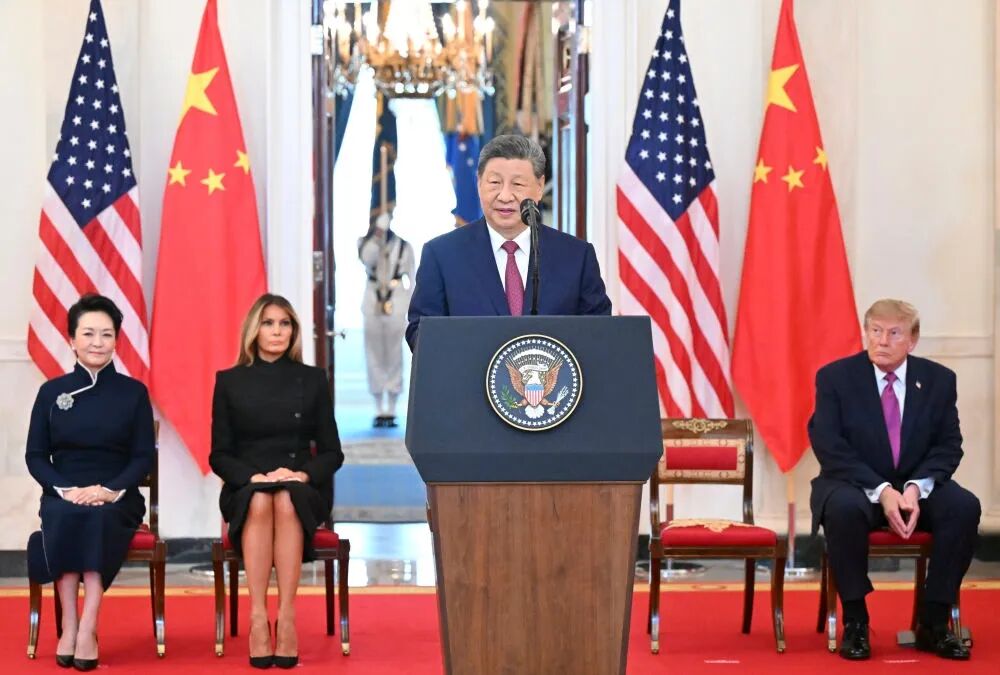
很高兴对美丽的美利坚合众国进行国事访问,感谢特朗普总统和夫人给予我和我夫人的热情款待。首先,我谨代表14亿多中国人民,向美国人民致以诚挚问候,向美国独立250周年表示热烈祝贺!
新华网 2026-09-28 11:14:20
收藏资讯

微信公众号

微信小程序
 登录
登录