CATTI-题库-真题-模拟-课程-直播
 国新办&中国网
 2026-10-20

 15次
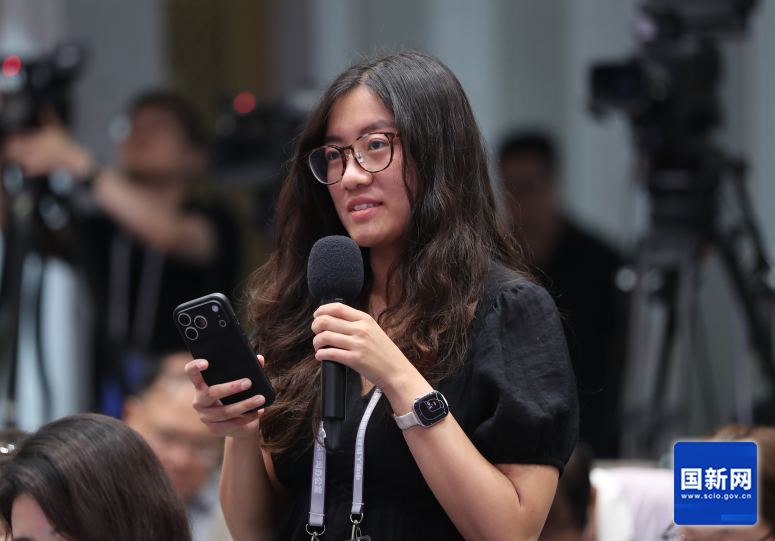
贾惠丽:
Jia Huili:
女士们、先生们,大家下午好!欢迎出席国务院新闻办新闻发布会。今天,商务部发布了《关于所谓“产能过剩”问题的中方立场》文件,我们邀请到商务部副部长鄢东先生,请他为大家介绍《立场》文件有关情况,并回答大家关心的问题。出席今天发布会的还有,商务部政策研究室主任林卫龙先生,世界贸易组织司司长韩勇先生,对外贸易司负责人贺少军先生。
Ladies and gentlemen, good afternoon. Welcome to this press conference held by the State Council Information Office (SCIO). Today, the Ministry of Commerce (MOFCOM) released a document titled "China's Position on the So-called Excess Capacity Issue." We have invited Mr. Yan Dong, vice minister of commerce, to brief you on the document, and to answer your questions. Also present today are Mr. Lin Weilong, director general of the Policy Research Office of the MOFCOM; Mr. Han Yong, director general of the Department of WTO Affairs of the MOFCOM; and Mr. He Shaojun, deputy director general of the Department of Foreign Trade of the MOFCOM.
首先,请鄢东先生作介绍。
First, I'll give the floor to Mr. Yan for his introduction.
鄢东:
Yan Dong:
谢谢主持人。各位媒体朋友,大家下午好。刚才主持人已经介绍,今天,商务部发布了《关于所谓“产能过剩”问题的中方立场》文件。利用这个机会,我向大家简要介绍该文件的发布背景和主要内容。
Thank you, Ms. Jia. Friends from the media, good afternoon. As Ms. Jia just said, today, the MOFCOM released a document titled "China's Position on the So-called Excess Capacity Issue." I would like to take this opportunity to brief you on the background and main content of this document.
近年来,全球经济增长动能不足,国际社会对全球供需平衡和产能问题广泛关注,讨论也很多。特别是部分经济体出于对自身产业竞争力和市场地位的担忧,将经贸问题政治化,炒作所谓中国“产能过剩”问题,甚至故意混淆概念,将产业补贴、贸易顺差、经济失衡、市场竞争等与“产能过剩”挂钩,抛出所谓“中国冲击2.0”等论调,以所谓“产能过剩”问题为由,推行各种各样的保护主义措施。
In recent years, global economic growth has remained sluggish, drawing widespread attention and discussion across the international community regarding global supply-demand balance and production capacity. In particular, some economies, concerned about their own industrial competitiveness and market position, have politicized economic and trade issues by hyping up the so-called "excess capacity" issue against China. They have even deliberately confused concepts, linking industrial subsidies, trade surplus, economic imbalance, market competition and other issues with "excess capacity." They have put forward claims such as the so-called "China Shock 2.0" and introduced various protectionist measures under the pretext of the so-called "excess capacity" issue.
习近平主席指出,吹灭别人的灯,不会让自己更加光明;阻挡别人的路,最终只会把自己的路堵住。中方认为,看待产能问题,要秉持全面、客观、公正的态度,更不能以此为名,行保护主义之实。这只会扰乱全球经贸秩序和产供链稳定,加剧矛盾和分歧,给世界经济增长带来长期风险。为澄清有关事实,阐明中方对所谓“产能过剩”相关问题的看法立场,我们编写了这份中方立场文件。
President Xi Jinping pointed out: "One will not be seen in a more favourable light after blowing out others' lamp; nor will they go farther by blocking others' paths." China believes that the issue of capacity should be viewed in a comprehensive, objective and impartial manner, and should not be used as an excuse for protectionism. Such practices will only disrupt the global economic and trade order as well as the stability of industrial and supply chains, exacerbate conflicts and differences, and pose long-term risks to global economic growth. We have compiled this position paper to clarify relevant facts and elaborate on China's views and position on the so-called "excess capacity" issue.
该文件中文版共有1万多字,英文版也同时在商务部网站发布,全文由前言、正文、结束语三部分组成。其中,正文共有四章:
The Chinese version of the paper contains more than 10,000 Chinese characters, and the English version has also been published simultaneously on the MOFCOM's website. The full text consists of a preface, main body and conclusion. The main body consists of four chapters.
第一章:全面客观看待全球产能和所谓“过剩”。这部分内容,从历史维度回顾了全球产能格局的演变历程,阐明了全球工业格局逐步由单中心走向多中心,是国际产业分工的结果。“产能过剩”是市场经济中的动态现象,这个概念各方认识不一,应根据不同发展阶段、发展水平来衡量不同经济体和不同行业的“产能过剩”情况。
Chapter I: "Global capacity and the so-called excess capacity should be viewed in a rounded and objective manner." This section reviews the evolution of the global capacity landscape from a historical perspective, explaining that the gradual shift in the global industrial landscape from a single center to multiple centers is a result of international industrial labor division. Excess capacity is a dynamic phenomenon in the market economy. Given varying perspectives on this concept, its measurement in different economies and industries should take into account their respective development stages and levels.
第二章:对“产能过剩”相关四对关系的看法立场。客观分析了产业补贴、贸易顺差、经济失衡、市场竞争与“产能过剩”的关系,强调产业补贴与产能过剩不存在必然联系,出口多、顺差大不等于产能过剩,全球经济失衡是历史常态、根源复杂,市场竞争是优化调节产能的重要保障。
Chapter II: "Perspectives and positions on four relationships concerning excess capacity." This section objectively analyzes the relationships between industrial subsidies, trade surplus, economic imbalance as well as market competition and excess capacity, emphasizing that there is no necessary connection between industrial subsidies and excess capacity, that large exports or trade surpluses are not synonymous with excess capacity, that global economic imbalance is a historical norm with complex root causes, and that market competition provides an important guarantee for capacity optimization and adjustment.
第三章:中国坚持在开放合作中建设现代化产业体系。这部分内容重点介绍了中方的政策实践和努力方向,阐明了中国现代化产业快速发展靠的是创新驱动,产业运行平稳健康靠的是深化改革,阐释了中国现代化产业发展不是所谓的“中国冲击2.0”,而是“中国机遇2.0”。
Chapter III: "China's commitment to building a modern industrial system through opening-up and cooperation." This section focuses on China's policy practices and future directions, clarifying that the rapid growth of China's modern industries is driven by innovation, and that the stable, healthy industrial performance relies on deepening reform. It also explains that China's industrial modernization is "China Opportunity 2.0" to the world, not "China Shock 2.0."
第四章:共同推动构建开放包容的全球产供链合作格局。这部分提出了中方的理念倡议,呼吁国际社会共同担当、相向而行,倡导互利共赢,尊重市场规律,加强产业政策协调,扩大市场开放,共创合作机遇,坚持多边主义,构建更加公正合理的国际经济秩序。
Chapter IV: "We should jointly pursue open and inclusive cooperation on global industrial and supply chains." This section puts forward China's principles and proposals, calling on the international community to jointly shoulder responsibilities and move toward the same direction. China advocates promoting mutually beneficial and win-win cooperation, respecting the laws of the market, strengthening coordination of industrial policies, expanding market openness and jointly creating cooperation opportunities, and upholding multilateralism and building a more just and equitable international economic order.
我先介绍这些。接下来,我和同事愿意回答大家的提问。谢谢!
That concludes my introduction. Next, my colleagues and I are ready to take your questions. Thank you.
贾惠丽:
Jia Huili:
感谢鄢东先生的介绍。现在请大家提问,提问前请通报所在的新闻机构。
Thank you, Mr. Yan. The floor is now open for questions. Please identify the media outlet you represent before asking questions.
新京报贝壳财经记者:
Seashell Finance of The Beijing News:
当前,各国对“产能过剩”问题看法不一,国际机构也没有统一的定义,评判标准差异较大、分歧较大,请问怎么看待这个问题?谢谢。
Currently, countries hold different views on the "excess capacity" issue and international organizations do not have a unified definition. The evaluation criteria vary greatly with significant disagreements. What is your take on this? Thank you.
林卫龙:
Lin Weilong:
谢谢您的提问。刚才您也提到了,国际社会对“产能过剩”这个概念和相关问题一直存在争议,也没有形成广泛共识。我们从三个维度作个梳理,以便更加全面、客观、系统的理解这个问题,看待这个问题。
Thank you for your question. As you mentioned, there is ongoing debate and a lack of broad consensus in the international community regarding the concept of "excess capacity" and related issues. To understand and view the concept in a more comprehensive, objective and systematic way, we can examine it through three dimensions.
第一个是理论维度,“产能过剩”是一个复杂概念,需要结合经济场景进行理解。经济学界大多是从宏观和微观两个层面来解释,宏观层面说的是供过于求,总生产能力明显超出总需求;微观层面说的是企业产能闲置,垄断竞争等因素破坏了产能出清,未达到最优产出状态。“产能过剩”是市场经济中的动态现象,既与供需变化相关联,也受产业生命周期影响,始终处于“平衡—失衡—再平衡”的动态循环之中,平衡是相对的,不平衡是普遍的。
The first is the theoretical dimension. "Excess capacity" is a complex concept that needs to be understood within specific economic contexts. Economists generally interpret it from both macro and micro levels. At the macro level, it refers to supply exceeding demand, where total production capacity significantly surpasses total demand. At the micro level, it means idle enterprise capacity, with factors such as monopolistic competition disrupting capacity clearing, preventing the achievement of optimal output. "Excess capacity" is a dynamic phenomenon in the market economy, related to changes in supply and demand while being affected by the industry life cycle. It operates in a continuous dynamic cycle of "balance-imbalance-rebalance," where balance is relative and imbalance is the norm.
第二个是历史维度,全球产能重心随着产业转移发生了多轮大的历史变迁。第一次工业革命以来,世界范围内各类生产要素加速流动,英美先后成为世界工业中心,1880年英国工业产出全球占比达22.9%的高点,1953年美国工业产出全球占比高达44.7%。二战后,全球历经多轮产业转移,从美国向欧洲、从欧美向日本,再到向东亚、向中国,以及当前中国部分产业向东南亚和其他地区的转移,形成了北美、欧洲、东亚三大区域生产制造中心。中国成为“世界工厂”,是积极融入经济全球化,参与国际产业分工的结果,也是全球生产制造网络的重要组成部分。
The second is the historical dimension. The global center of production capacity has undergone several major historical shifts along with industrial relocation. Since the first industrial revolution, various factors of production have flowed more rapidly around the world. The United Kingdom and the United States successively emerged as the world's industrial centers. The U.K.'s share in global industrial output peaked at 22.9% in 1880, while the U.S.'s share in global industrial output reached as high as 44.7% in 1953. Since the end of the Second World War, the world has undergone multiple rounds of industrial transfer — from the U.S. to Europe, from Europe and the U.S. to Japan, then on to East Asia and China, and currently with some industries relocating from China to Southeast Asia and other regions — ultimately forming three major regional manufacturing centers in North America, Europe and East Asia. China's transformation into the "workshop of the world" is the result of its active integration into economic globalization and participation in the international division of labor. It has also become a key component of the global manufacturing network.
第三个是实践维度,产能利用率指标需要结合不同国家、不同行业的实际分别看待。国际上通常用产能利用率指标来衡量“产能过剩”情况,这个指标指的是实际产出与潜在产出的比值,不同经济体的合理区间也不相同,不存在全球通用的判断标准。发达和快速成长经济体的产能利用率中值多位于75%—80%之间,欠发达国家产能利用率一般在50%—64%之间。同时,不同行业产能利用率差别也很大。一些传统行业产能利用率明显低于平均水平,有的国家饮料、家具等行业的产能利用率在65%左右,橡胶、化工、塑料等行业仅有40%—50%。新兴行业产能利用率相对高一些,有的国家计算机及外围设备产能利用率达到83%,电气设备及组件达到86%。从各国经济实践看,产能利用率用以衡量产能使用状况有一定客观性,但不能绝对化判断不同经济体、不同行业是否存在产能过剩。
The third is the practical dimension. Capacity utilization rate needs to be assessed in light of the actual conditions of different countries and industries. Internationally, the capacity utilization rate is usually used to measure the situation of "excess capacity." It measures the ratio of actual output to potential output. However, there are no globally accepted criteria for determining the reasonable range of capacity utilization, as it differs across economies. The median capacity utilization rate for advanced and fast-growing economies mostly falls in the 75%-80% range, whereas that for less developed countries usually stands between 50% and 64%. At the same time, capacity utilization rate also varies considerably across sectors. Capacity utilization in some traditional industries is significantly below the average. In some countries, capacity utilization in beverages and furniture stands at around 65%, while in sectors like rubber, chemicals and plastics it is only 40%-50%. Emerging industries have relatively high capacity utilization rates. In some countries, the capacity utilization rate for computer and peripheral equipment reaches 83%, and for electrical equipment and components it reaches 86%. Economic practices of various countries have shown that capacity utilization rate, although a reasonably objective indicator of the use of production capacity, is not a one-size-fits-all measure for determining whether excess capacity exists in different economies or sectors.
从中国的发展实际看,工业产能利用率总体处于合理区间。2025年规模以上工业产能利用率为74.4%,高技术制造业、高端装备制造业、战略性新兴产业等领域,产能利用更为充分;原材料等部分传统行业产能利用率阶段性偏低,主要是结构调整、绿色转型带来的适应性调整,属于产业提质升级过程中的正常现象。中国工业整体上供需基本平衡、运行态势平稳。谢谢。
In China's case, the overall industrial capacity utilization rate remains within a reasonable range. In 2025, the capacity utilization rate of industrial enterprises above designated size was 74.4%, and higher capacity utilization was observed in high-tech manufacturing, high-end equipment manufacturing and strategic emerging industries. The temporary low capacity utilization rates in certain traditional raw-material sectors mainly stem from adaptive adjustments brought by structural changes and green transition, which are normal during the upgrading of industries. Overall, China's industrial sector is generally balanced in terms of supply and demand and is operating smoothly. Thank you.
中国新闻社记者:
China News Service:
近年来,国际上出现了“补贴造成产能过剩”的论调。请问中方如何评价此类言论?另外,产业补贴和“产能过剩”之间是什么关系?谢谢。
In recent years, there has been an international narrative that "subsidies have caused excess capacity." How does China comment on such claims? In addition, what is the relationship between industrial subsidies and excess capacity? Thank you.
韩勇:
Han Yong:
谢谢这位媒体朋友的提问。当前,很多国家结合自身国情和产业发展需要,制定有侧重的产业政策,例如,为新兴产业提供研发补贴、为农业提供风险补贴等,这些是世贸组织成员合规的产业政策和贸易政策工具。联合国贸发会议多份报告显示,近五年来全球产业政策数量呈增长态势,提供研发补贴、给予税收优惠、提供低息贷款已成为支持新兴产业发展的国际通行做法。这里需要指出的是,产业补贴本身不是问题,产业补贴与产能过剩也不存在必然联系,合理合规的产业补贴政策有助于纠正市场失灵、推进技术创新、保护生态环境、减少贫困、促进均衡发展,并不会造成所谓的“产能过剩”。
Thank you for your questions. Many countries introduce tailored industrial policies in light of their national conditions and development needs. For example, R&D subsidies for emerging industries and risk management subsidies for the agricultural sector are legitimate industrial and trade policy tools for WTO members. Multiple reports from the United Nations Conference on Trade and Development (UNCTAD) point to the rapid increase in industrial policies worldwide over the past five years. Providing R&D subsidies, tax incentives and low-interest loans for emerging industries has become a widely accepted international practice. It should be pointed out that industrial subsidies per se are not a problem, and there is no necessary connection between industrial subsidies and excess capacity. Sound industrial subsidy policies help correct market failures, advance technological innovation, protect the environment, reduce poverty and promote balanced development, rather than cause the so-called "excess capacity."
但另一方面,如果采取保护主义措施,出台违规产业政策,以邻为壑,限制竞争,那么就会扰乱全球经贸秩序。美国《通胀削减法》计划2022—2031年提供7500亿美元各类补贴,其中获得补贴的电动汽车需满足本土或北美生产和销售等条件,将其他国家和地区排除在外。另外据不完全统计,欧盟委员会2021—2030年间将提供超过1.44万亿欧元的各类补贴。欧盟《工业加速器法案》拟通过“欧盟原产”要求,将本地含量与财政支持直接挂钩,构成了严重的投资壁垒和制度性歧视。大国是全球产业发展的领头羊,应该作出表率,在开放、公平、合规等原则基础上合理使用补贴,避免采取歧视性补贴政策,避免人为干预产业链供应链全球布局。
On the other hand, if protectionist measures are adopted, non-compliant industrial policies are introduced and a beggar-thy-neighbor approach is taken to restrict competition, the global economic and trade order will be disrupted. The U.S. Inflation Reduction Act, which plans to provide a total of $750 billion in various subsidies from 2022 to 2031, requires that electric vehicles eligible for these subsidies shall be produced and sold in the U.S. or North America, effectively excluding other countries and regions. In addition, according to available statistics, the European Commission is set to provide more than 1.44 trillion euros in various subsidies between 2021 and 2030. The European Union's Industrial Accelerator Act links local content to fiscal support through the E.U. origin requirement, constituting a serious investment barrier and institutional discrimination. Major countries, as leaders in global industrial development, should set an example by using subsidies reasonably in accordance with the principles of openness, fairness and compliance. They should refrain from adopting discriminatory subsidy policies and avoid artificial intervention in the global layout of industrial and supply chains.
中国始终严格遵守世贸组织规则,致力于建立完善符合国际惯例的财政补贴体系。多年来,中国多措并举,持续提升补贴的合规性、科学性和透明度,不断规范和完善相关政策,对部分地方一些不当补贴进行清理和规范,研究建立统一的地方财政补贴负面清单管理机制。中国及时全面履行世贸组织透明度义务,提交的补贴政策通报做到了全国覆盖。中国补贴主要补在科技研发、技术产业化攻关、市场消费等环节,更多采用公共服务、技术标准、技能培训等市场化、引导性手段,重点支持技术研发创新、中小企业发展、绿色节能等领域。中国补贴平等适用于各类市场经营主体,做到了一视同仁,外商投资企业积极参与、同等受益。
China always strictly observes WTO rules and strives to build and improve a system of subsidies in accordance with international practice. For years, China has constantly regulated and improved relevant policies to ensure that its subsidies are compliant, science-based and transparent. It has also reviewed and standardized some unsound local practices and established a unified administration system for local government subsidies based on negative lists. China has comprehensively fulfilled its WTO commitments on transparency in a timely manner, and its notifications on subsidy policies have achieved nationwide coverage. China's subsidies are mainly used for scientific R&D, initiatives on industrial application of technology and market consumption. China uses market-based and indirect guidance more often, such as public services, technical standards and skills training, to support priority areas like technological R&D and innovation, the development of small and medium-sized enterprises (SMEs), and green and energy-efficient development. China's subsidies apply equally to all types of market entities, and domestic and foreign-invested enterprises actively participate and benefit equally.
发展是人类社会的永恒主题。各国应着眼于做大全球发展的蛋糕,合理合规出台产业政策,而不应将其作为限制他国发展的工具。中国愿同各方在世贸组织框架下就有关产业政策开展讨论,共同规范相关做法,推动多边规则与时俱进。谢谢。
Development is a timeless theme for humanity. It is imperative that all countries make the pie of global development bigger and introduce industrial policies in a rational and compliant manner, rather than use them as a tool to constrain the development of others. China stands ready to engage in discussions on the relevant industrial policies with all sides under the WTO framework to jointly bring relevant practices into compliance and advance multilateral rules in a manner that keeps pace with the times. Thank you.
彭博新闻社记者:
Bloomberg News:
中国是否计划解决贸易伙伴对于“产能过剩”及“低成本出口产品正取代本土产业”所抱有担忧?如果是,具体将采取何种措施?您预计今年贸易顺差会再创新高吗?谢谢。
Does China plan to address trading partners' worries about excess capacity and also low-cost exports that are displacing local industries? If so, how? And do you expect another record trade surplus this year? Thank you.
贺少军:
He Shaojun:
谢谢您的提问。各界广泛关注贸易顺差话题,我想借这个机会从几个角度谈谈看法。
Thank you for your questions. The topic of trade surplus has attracted wide attention, and I would like to take this opportunity to share my views from several perspectives.
第一,顺差反映出国际分工的深刻演变。回顾全球经济发展史,各国在工业化进程中普遍经历了贸易顺差的阶段,英国、美国、日本、德国等制造强国都曾长期保持贸易顺差。从行业产品看,美国芯片80%用于出口,波音公司交付的商用飞机约2/3销往北美以外的客户。欧盟的汽车、药品、化妆品,2025年顺差分别为922亿、2146亿和116亿美元。出口多、顺差大不等于产能过剩。中国实现贸易顺差,反映出中国的产业体系完备高效,是全球分工体系和贸易格局变化的客观结果。
First, the trade surplus reflects a profound evolution in the international division of labor. Looking back at the global history of economic development, countries have generally experienced trade surpluses during their process of industrialization. Manufacturing powerhouses such as the U.K., U.S., Japan and Germany all recorded trade surpluses for a long time. Industry- and product-wise, 80% of American chips are for export, and about two-thirds of commercial planes delivered by Boeing are sold to customers outside North America. The E.U.'s automobile, pharmaceutical and cosmetics sectors had surpluses of $92.2 billion, $214.6 billion and $11.6 billion in 2025, respectively. Large exports or trade surpluses are not synonymous with excess capacity. Given its complete and efficient industrial system, China's trade surplus is an objective result of changes in the global division of labor and trade landscape.
第二,中国产品满足各国生产生活需要。中国生产的电脑、手机、家具、服装、玩具等消费品,为各国消费者提供了更多的选择,降低了消费成本,缓冲了通胀风险。中国的生产设备、中间产品出口有力支撑了贸易伙伴的工业化发展,比如,我们为全球提供了80%以上的光伏组件和70%的风电装备,为贸易伙伴绿色转型提供了重要支撑。外资企业贡献了中国16%的顺差,也从中获得了丰厚的投资回报。这些正是“顺差在中国,利益在各方”的生动写照。
Second, Chinese products have met the production and living needs of countries worldwide. Consumer goods such as computers, cellphones, furniture, clothing and toys produced in China have provided global consumers with more choices, reduced consumer costs and buffered against inflation risks. China's exports of production equipment and intermediate products have strongly supported the industrial development of its trading partners. For example, we have supplied more than 80% of the world's solar photovoltaic modules and 70% of its wind power equipment, significantly supporting the green transition of our trading partners. Foreign-invested enterprises accounted for 16% of China's trade surplus and also reaped substantial investment returns. All these demonstrate that the trade surplus is registered by China, but the benefits are shared by all.
第三,从整个国际收支看,虽然中国货物贸易有较大顺差,但服务贸易、资本和金融账户都有逆差,经常账户顺差占GDP比重约3.7%,处于国际公认的合理范围内,并未出现显著的国际收支失衡。
Third, in terms of the balance of payments in general, despite a relatively large surplus in trade in goods, China has deficits in both trade in services and the capital and financial account. Overall, China's current account surplus is about 3.7% of its GDP, which is within an internationally recognized reasonable range, and there is no significant imbalance in the balance of payments.
我想强调的是,中国从不刻意追求贸易顺差,我们将继续积极推动进出口平衡发展,持续向全世界开放市场,坚定不移扩大进口。今年上半年,中国货物贸易进口增速为22.1%,明显快于出口。中国稳居全球第二大进口市场,超大规模的市场需求为贸易伙伴提供了强劲发展动力。特别是去年以来,我们打造“出口中国”品牌,计划每年举办超过100场进口促进活动,致力于与全球共享中国发展新机遇。在多国举办的“出口中国”境外活动上,许多中国企业与当地企业签订意向采购合同,拓宽了进口采购来源,为各国企业进入中国市场搭建更便利的渠道,得到了各国积极响应,收获了互利共赢的合作友谊。
I would like to emphasize that it has never been China's intention to seek a trade surplus. China will continue to actively promote the balanced development of imports and exports, open its market wider to the world, and unswervingly expand imports. In the first half of this year, China's imports in goods grew 22.1%, significantly faster than exports. China remains the world's second-largest import market, and the demand generated by its vast market provides strong growth momentum for its trading partners. In particular, since last year, we have been building the "Export to China" brand and plan to hold more than 100 import promotion events annually, sharing China's new development opportunities with the world. At the "Export to China" events overseas, many Chinese companies signed letters of intent to purchase with local companies, broadening their import sources and creating more convenient channels for foreign companies to enter the Chinese market. This initiative has received positive responses from various countries and fostered friendship through mutually beneficial and win-win cooperation.
下一步,我们将以更多务实举措扩大进口,与世界各国共享中国大市场新机遇。
Going forward, we will take more pragmatic measures to expand imports and share new opportunities from China's vast market with countries around the world.
一是持续扩大“出口中国”品牌影响力。通过举办系列对接活动,以展会联动、定向采购等方式,加大进口力度。
First, we will continue to enhance the influence of the "Export to China" brand. By holding a series of business matchmaking events, we will further boost imports through collaboration among trade fairs and targeted procurement.
二是不断加大政策支持力度。提升进口贸易便利化水平,优化进口商品来源和结构,满足产业发展和人民美好生活需要。
Second, we will continue to increase policy support. We will improve trade facilitation for imports, and optimize the sources and structure of imported goods, so as to meet the needs of industrial development and the people's desire for a better life.
三是充分发挥各类促进平台作用。继续办好进博会、消博会等重要展会,更好发挥国家进口贸易促进创新示范区作用,积极带动全球优质商品和服务的进口。谢谢。
Third, we will fully leverage the role of trade promotion platforms. We will continue to host major trade events such as the China International Import Expo (CIIE) and the China International Consumer Products Expo (CICPE), hold the CIIE U-Fair on a regular basis, better leverage the role of national demonstration zones for innovative import promotion, and actively promote the import of high-quality goods and services from around the world. Thank you.
美国国际市场新闻社记者:
Market News International:
近期一些来自欧盟国家及机构的领导人对中国货币被低估、为中国出口商带来不公平优势的问题表示了担忧。对此,商务部的回应是什么?展望今年下半年,尤其是在当前贸易紧张局势持续以及整体经济大背景下,商务部将如何看待中欧贸易前景?谢谢。
Recently, some leaders from European Union countries and institutions have raised concern that China's currency is undervalued, which gives Chinese exporters an unfair advantage. What is the Ministry of Commerce's response to this? And looking ahead to the later half of this year, particularly in the context of ongoing trade tensions and the broader economic environment, how does the Ministry of Commerce view the prospects for trade between China and Europe? Thank you.
林卫龙:
Lin Weilong:
谢谢您的提问。我们注意到有关情况。近年来,在中欧双方领导人战略引领下,中欧经贸关系总体发展良好。今年上半年,中国与欧盟货物贸易总额同比增长14.2%,达到4478.8亿美元。双方在服务贸易、科技创新、绿色经济等领域合作潜力巨大。这既是中欧产供链深度互嵌、优势互补的结果,也是全球数字、绿色转型和中欧未来发展的大势所趋。
Thank you for your questions. We have noticed the situation you mentioned. In recent years, under the strategic guidance of the leaders of both sides, China-E.U. economic and trade relations have maintained sound momentum. In the first half of this year, the total value of trade in goods between China and the E.U. increased 14.2% year on year to $447.88 billion. The two sides have great potential for cooperation in areas such as trade in services, technological innovation and the green economy. This results from deep integration and complementarity of industrial and supply chains, and also represents an inevitable trend in the global digital and green transitions and the future development of China and Europe.
与此同时,欧盟近期不断推出对华贸易限制措施,并炒作所谓人民币汇率问题,这缺乏事实依据,不利于中欧经贸关系的稳定发展。中国坚持市场在汇率形成中发挥决定性作用,保持人民币汇率在合理均衡水平上的基本稳定。中国是负责任大国,不会通过汇率贬值获取竞争优势;中国制造具有国际竞争力,没有必要通过汇率低估来促进出口。
Meanwhile, the E.U. has recently introduced a series of trade restrictions against China and hyped up the so-called RMB exchange rate issue. These claims are unfounded and do not serve the stable development of China-E.U. economic and trade relations. China remains committed to letting the market play a decisive role in determining exchange rate while keeping the RMB basically stable at a reasonable and balanced level. As a responsible major country, China will not seek a competitive advantage through currency devaluation. Chinese manufacturing is internationally competitive, and there is no need to boost exports by undervaluing the currency.
中国不是欧盟面临经贸问题的根源,而是解决问题的伙伴。保护主义没有出路,合作共赢才是正道。上个月底,商务部部长王文涛与欧委会贸易和经济安全委员谢夫乔维奇,共同主持召开了中欧贸易投资磋商机制首次会议,就“稳定、平衡的中欧关键贸易伙伴”这个新定位达成共识。中方愿意通过这个机制,加强与欧方对话磋商,妥处分歧摩擦,促进务实合作,推动中欧贸易向上平衡,推动中欧经贸关系稳定健康发展,为全球经济发展注入更多确定性和正能量。谢谢。
China is not the source of the E.U.'s trade and economic problems, but rather a partner in resolving them. Protectionism leads nowhere. Win-win cooperation is the only way forward. At the end of last month, Chinese Commerce Minister Wang Wentao and European Commissioner for Trade and Economic Security Maros Sefcovic co-chaired the first meeting of the China-E.U. Trade and Investment Consultation Mechanism. The two sides agreed on a new positioning of China-E.U. relations as "stable and balanced key trading partners." China is willing to use this mechanism to strengthen dialogue and consultation with the E.U., properly handle differences and frictions, and promote practical cooperation. Through these efforts, China aims to rebalance bilateral trade at a higher level, advance the stable and healthy development of China-E.U. economic and trade relations, and inject greater certainty and positive energy into the global economy. Thank you.
每日经济新闻记者:
National Business Daily:
对于中国的产业发展和技术创新,国际社会有两种言论,一个是“中国冲击2.0”,一个是“中国机遇2.0”,请问如何看待这两种言论?中国的产业发展对于世界到底是冲击还是机遇?谢谢。
Regarding China's industrial development and technological innovation, two distinct narratives have emerged in the international community: "China Shock 2.0" and "China Opportunity 2.0." How do you view them? Is China's industrial development a shock or an opportunity for the world? Thank you.
鄢东:
Yan Dong:
谢谢您的提问,这个问题我来回答。首先,这个话题大家比较关注,现在讨论也很多。有的国家抛出所谓“中国冲击2.0”论调,污蔑中国产业发展威胁了西方国家垄断地位,挤压了南方国家发展空间,这个论调不符合事实,是站不住脚的。
Thank you for your question. I will take this one. This topic has attracted widespread attention and is being discussed extensively. Certain countries have floated the so-called "China Shock 2.0" narrative, groundlessly claiming that China's industrial development threatens the dominant position of Western countries and squeezes the development space of Global South countries. That claim does not square with the facts and is untenable.
过去十多年,中国一直是世界经济增长的重要引擎,贡献率保持在30%左右。中国通过发挥市场优势、产业发展、科技进步,为全球提供越来越多的“市场红利”“发展红利”“创新红利”。这些红利交融叠加,给世界带来的是更多的发展机遇、更大的发展空间,也就是国际社会更多理性客观声音提到的“中国机遇2.0”。我们可以从以下四个方面来看。
For over a decade, China has remained a major engine of global economic growth, consistently contributing around 30%. By leveraging its market advantages, industrial development and technological progress, China is providing the world with increasing "market dividends," "development dividends" and "innovation dividends." As these dividends converge and compound, they bring more development opportunities and greater room for growth worldwide, which is what a growing number of rational and objective voices in the international community call "China Opportunity 2.0." This can be seen from the following four dimensions.
第一,中国产业发展是全球产供链稳定的压舱石。中国拥有全球规模最大、门类最齐全、体系最完整的工业制造体系,持续高效提供各类工业制成品,有力支撑全球稳定供给,有效对冲保护主义、地缘冲突等带来的局部供给缺口,展现出了中国强大的韧性和担当,在全球产业合作中发挥了稳定锚和重要枢纽作用。中国出口质优价美的生产设备和零部件,为发展中国家降低了制造业进入门槛,2012—2024年,中国向发展中国家出口纺织机械超300亿美元,助力东南亚、南亚一些国家成为重要纺织品生产和出口国。
First, China's industrial development serves as a ballast for stable global industrial and supply chains. China has the world's largest and most complete industrial manufacturing system, continuously and efficiently supplying a wide range of manufactured goods, underpinning stable global supply and offsetting local supply gaps caused by protectionism and geopolitical conflicts. China has demonstrated remarkable resilience and a strong sense of responsibility, serving as a stabilizing anchor and a key hub in global industrial cooperation. China exports high-quality, affordable production equipment and components, lowering the barriers to entry for manufacturing in developing countries. From 2012 to 2024, China's exports of textile machinery to developing countries exceeded $30 billion, helping some Southeast Asian and South Asian countries become important textile producers and exporters.
第二,中国产业发展是全球创新合作的新引擎。中国坚持创新驱动,走出了一条以科技创新引领产业创新,以产业升级促进科技迭代的有效路径。任何一项有价值的科技成果在中国制造的加持下都能迅速转化为实际产品,可以为各类新产品、新服务提供“0到1”验证和“1到N”放量的最佳试验场。中国坚持开门搞创新,高速成长的创新企业给各国投资者带来数倍甚至数十倍的回报。中国的人工智能大模型等很多创新走开源路线,深受各国青睐,开源大模型全球累计下载量已经突破100亿次,让更多国家特别是发展中国家用得上、用得起新技术。
Second, China's industrial development is a new engine for global innovation cooperation. Committed to innovation-driven development, China has forged an effective path where technological innovation leads industrial innovation, and industrial upgrading in turn drives technological advancement. Backed by China's manufacturing strength, any valuable scientific or technological achievement can be quickly turned into an actual product, providing the best testing ground for the "0 to 1" verification and "1 to N" scale-up of new products and services. China keeps its doors open to innovation, and its fast-growing innovative enterprises have brought investors from all countries returns of several times or even dozens of times their initial investment. Many of China's innovations, such as large AI models, have embraced an open-source approach and gained global popularity. Open-source large models have been downloaded more than 10 billion times globally, enabling more countries, especially developing ones, to access and afford new technologies.
第三,中国产业发展是全球绿色转型的动力源。中国加快推动全面绿色转型,促进产业绿色低碳发展。到“十五五”末,预计中国的绿色产业规模将突破20万亿元。中国绿色产业快速发展,新能源产品丰富了全球供给,有力推动了全球绿色低碳进程。国际可再生能源署(IRENA)报告称,过去10年间,全球风电和光伏发电项目平均度电成本分别累计下降超过60%和80%,很大一部分归功于中国制造、中国产能。当前,全球能源紧张和人工智能带动电力需求上升,国际能源署预测,到2030年,全球数据中心耗电量将接近1万亿度,其中40%新增电力将依赖可再生能源。中国在太阳能、储能及电气化领域具备显著规模与技术优势,将更好满足未来全球绿色能源需求和产业发展需要。
Third, China's industrial development is a driving force for the global green transition. China is accelerating a comprehensive green transition and promoting green, low-carbon industrial growth. By the end of the 15th Five-Year Plan period, China's green industry is expected to be worth more than 20 trillion yuan. The country's green industry is developing rapidly, and its new energy products have enriched global supply, boosting the global green, low-carbon transition. According to a report from the International Renewable Energy Agency, over the past decade, the average cost per kilowatt-hour of global wind power projects has decreased by more than 60% and that of PV power projects by more than 80%. The reductions are largely attributable to Chinese manufacturing and production capacity. With global energy supplies tight and AI driving up electricity demand, the International Energy Agency predicts that global electricity consumption by data centers will approach 1 trillion kilowatt-hours by 2030, with 40% of new demand relying on renewable energy. China's significant scale and technological edge in solar energy, energy storage and electrification position it well to meet future global demand for green energy and industrial development.
第四,中国产业发展是增进各国民生福祉的助推剂。中国产业快速发展,为全球提供了高质量、高效能、高性价比的丰富产品,为各国消费者提供了更稳定、更多元的选择。中国制造提升了各国民众生活质量,降低了生活成本,缓解了全球通胀压力。比如,近期中国的空调畅销欧洲,为当地民众在酷暑中送去清凉。欧洲央行发布报告测算,如果2026年欧盟从中国进口增加10%,欧盟整体进口价格将下降1.6%。中国的贸易投资对发展中国家工业化赋能效应显著提升。中国在境外设立了5万多家企业,投资存量超3万亿美元,近九成分布在发展中经济体。中资企业通过本地生产、本地采购、本地用工、上下游配套和区域供应链联通,带动轻工、纺织、家电等领域一大批项目落地,推动了数字、绿色等新领域发展,增强了东道国出口对本地增加值创造的带动作用。据中科院测算,2012—2025年,中资企业在24个发展中经济体带动的当地出口增加值,由244亿美元提高至1424亿美元,增幅近5倍。某些国家炮制的“中国挤压论”是“中国威胁论”的新论调,企图破坏中国同全球南方国家合作,以此转嫁其历史和现实责任,并非真心帮助发展中国家。事实和数据雄辩地证明,中国产业发展带给世界的不是冲击而是机遇,不是威胁而是赋能,是帮助发展中国家现代化,给他们铺路架桥。谢谢。
Fourth, China's industrial development is a catalyst for improving the well-being of people in all countries. China's rapid industrial development has provided the world with a wealth of high-quality, high-efficiency and cost-effective products, offering global consumers more stable and diverse choices. Chinese manufacturing has improved the quality of life for people around the world, reduced the cost of living and eased global inflationary pressures. For example, Chinese air conditioners have recently become bestsellers across Europe, bringing relief to local households sweltering in summer heatwaves. A report released by the European Central Bank estimates that if E.U. imports from China increase by 10% in 2026, the bloc's overall import prices will fall by 1.6%. China's trade and investment are increasingly empowering industrialization across the developing world. China has established more than 50,000 enterprises overseas, with an investment stock of more than $3 trillion, nearly 90% of it in developing economies. Through local production, procurement, and employment, alongside upstream and downstream support and regional supply chain connectivity, Chinese enterprises have facilitated the implementation of numerous projects across sectors like light industry, textiles, and home appliances. At the same time, they are driving growth in emerging digital and green sectors while boosting the contribution of host-country exports to local value creation. According to calculations by the Chinese Academy of Sciences, from 2012 to 2025, the local export value added driven by Chinese enterprises in 24 developing economies rose from $24.4 billion in 2012 to $142.4 billion in 2025, a nearly fivefold net increase. The "China squeeze" narrative fabricated by certain countries is a fresh repackaging of the "China threat" rhetoric. Rather than genuinely helping developing countries, their aim is to undermine China's cooperation with the Global South and to deflect their own past and present responsibilities. Facts and data demonstrate unequivocally that China's industrial development brings the world opportunities, not shocks, and empowerment, not threats, helping pave the way for developing countries on their path to modernization. Thank you.
中央广播电视总台央广网记者:
CNR:
近年来,单边主义保护主义抬头,一些经济体采取了歧视性措施,破坏了公平竞争环境,也扰乱了全球产业的分工合作。请问如何看待市场竞争对于调节全球产能布局的作用,如何推动世贸组织更好发挥作用,维护国际公平竞争环境?谢谢。
In recent years, unilateralism and protectionism have been on the rise, and some economies have adopted discriminatory measures that have undermined fair competition and disrupted the global division of labor and cooperation across industries. How do you view the role of market competition in shaping the global distribution of production capacity, and how can the WTO play a more effective role in upholding a fair international competitive environment? Thank you.
韩勇:
Han Yong:
谢谢您的提问。市场竞争是促进产能优化调节和产业健康发展的重要保障。历史上看,历次产业革命和技术变革都伴随着相关产业的产能提高甚至在短期内出现“供大于求”的情况。这一过程中,企业为追求利润和市场份额会投资扩产,市场竞争可促使企业降本增效,带来技术进步与效率提升。可以说,市场竞争就是防止产能无序扩张的最有效机制。政府的作用应是维护竞争秩序和公平环境,让市场更充分发挥作用,使落后产能在竞争中自然出清,最终实现供需动态平衡。世贸组织的公平竞争原则和相关规则,已成为全球广泛接受的行为规范。各方应维护公平竞争,减少对全球产能分工合作的不当干扰。
Thank you for your question. Market competition is an important safeguard for optimizing and adjusting production capacity and for the healthy development of industries. Historically, successive industrial revolutions and technological transformations have been accompanied by higher production capacity in related industries, and, in the short term, even by oversupply. During this process, companies invest in expanding production in pursuit of profits and market share, and market competition drives them to cut costs and raise efficiency, fostering technological progress and higher productivity. Market competition is the most effective mechanism for preventing the disorderly expansion of production capacity. The role of the government lies in ensuring orderly competition, preserving a level playing field, and allowing the market to fully function, so that outdated capacity is phased out naturally through competition, and a dynamic balance between supply and demand is ultimately achieved. The WTO's principle of fair competition and its related rules have become widely accepted norms of conduct worldwide. All parties should uphold fair competition and reduce undue interference with the global division of labor and cooperation on production capacity.
中国积极营造公平竞争的一流营商环境。中国市场经营主体数量居全球首位。海量经营主体造就充分竞争环境,企业在这里直面挑战、比拼实力,在优胜劣汰中打磨产品、优化服务。麦肯锡评价中国是“全球最硬核的健身房”,磨练出了极具竞争力的企业。中国“十五五”规划纲要明确提出,纵深推进全国统一大市场建设,在要素获取、资质认定、招标投标、政府采购等方面消除壁垒,全面落实外资企业国民待遇,积极营造市场化法治化国际化一流营商环境。
China is actively fostering a first-class business environment based on fair competition. The country boasts the world's largest pool of market entities. This massive base of market participants creates a fully competitive environment, compelling companies to take on challenges, compete on strength, and keep improving their products and services in competition. McKinsey once described China as "the world's toughest gym," that trains hyper-competitive companies. China's 15th Five-Year Plan calls for advancing the development of a unified national market and removing barriers related to production factor access, bidding, qualification accreditation, public bidding and government procurement. It also calls for full national treatment for foreign-invested enterprises and for a first-class business environment that is market-oriented, law-based and internationalized.
以世贸组织为核心、以规则为基础的多边贸易体制在维护全球经贸秩序稳定方面发挥了重要作用,自由贸易、非歧视、公平竞争等原则已深入人心,共同构成了维持全球经贸秩序稳定、可预期的底层逻辑。当前多边贸易体制受到单边主义保护主义严重冲击,但多边主义仍是绝大多数世贸组织成员的首选。据世贸组织统计,当前72%的全球贸易仍在最惠国待遇原则下进行,这充分证明了多边贸易体制公平竞争等基本原则的价值和韧性,没有人想回到弱肉强食的丛林时代。艰难时刻,国际公平正义更加弥足珍贵。中方将与各方共同努力,坚定支持多边贸易体制,推进世贸组织改革,坚决维护世贸组织基本原则和规则,维护透明、公平、包容的全球经贸环境。谢谢。
The rules-based multilateral trading system, with the WTO at its core, has played an important role in maintaining the stability of the global economic and trade order. Principles such as free trade, non-discrimination and fair competition have gained widespread acceptance and together form the underlying logic that keeps the order stable and predictable. The multilateral trading system is currently facing severe shocks from unilateralism and protectionism, yet multilateralism remains the preferred choice for the vast majority of WTO members. According to WTO statistics, 72% of global trade is still conducted under the most-favored-nation principle. That fully demonstrates the value and resilience of fair competition and the system's other basic principles. No one wants to go back to the jungle era where the strong bully the weak. In challenging times, international fairness and justice are all the more precious. China will work with all parties to firmly support the multilateral trading system, advance WTO reform, resolutely uphold the organization's basic principles and rules, and safeguard a transparent, fair, and inclusive global trade and economic environment. Thank you.
南华早报记者:
South China Morning Post:
近期,欧盟提出了相关贸易防护工具以及美国针对产能问题发起301调查,请问商务部怎么评论?鉴于相关领域的国内供给持续高于内需,商务部正在采取哪些措施,以防止出口溢出效应引发更多贸易限制?谢谢。
The E.U. recently proposed new trade defense instruments and the U.S. launched a Section 301 investigation into production capacity. What is MOFCOM's comment on this? Given that domestic supply in the sectors concerned continues to exceed domestic demand, what measures is the ministry taking to prevent export spillover effects from triggering further trade restrictions? Thank you.
林卫龙:
Lin Weilong:
谢谢您的提问。你的问题我理解应该有三个问题,一个是欧美贸易措施,另一个是中国内需,第三个是出口溢出效应带来的全球经济失衡。
Thank you for your questions. As I understand it, your questions involve three issues: trade measures taken by the E.U. and the United States, China's domestic demand, and global economic imbalances caused by the spillover effects of exports.
先回答第一个问题,关于欧盟相关贸易防护工具及美针对产能问题发起的301调查。对这两个方面,中方已经多次阐明了立场。欧盟近期不断推出对华保护主义措施,严重挫伤中国企业对欧合作信心。中欧合作体量巨大,出现分歧摩擦在所难免,但有关分歧不应成为编造不实指责的理由,更不能作为设限加压、影响务实合作的借口。中方愿与欧方通过对话协商妥处分歧摩擦。关于美针对产能问题发起的301调查,这是典型的单边主义行径,严重破坏国际经济秩序。美方不能狭隘地将超过国内需求的生产能力定义为“产能过剩”,贴上所谓的“过剩”标签。美方更无权通过301调查,对贸易伙伴是否存在“产能过剩”进行单方面认定,并采取单边限制措施。中方敦促美方纠正错误做法,回到通过对话协商解决问题的正确轨道上来。中方将密切关注事态进展,保留采取必要措施的权利,坚决捍卫自身正当权益。
Let me first address the E.U.'s trade defense instruments and the U.S. Section 301 investigations into production capacity. China has repeatedly made its position clear on both. The E.U. has recently rolled out a series of protectionist measures against China, severely undermining the confidence of Chinese enterprises in cooperating with the E.U. Given the enormous scale of China-E.U. cooperation, disagreements and frictions are inevitable. However, such differences should not be used as grounds for fabricating baseless accusations, let alone as a pretext for imposing restrictions and pressure that hinder practical cooperation. China is willing to work with the E.U. to properly handle differences and frictions through dialogue and consultation. The U.S. launch of a Section 301 investigation targeting overcapacity is a typical act of unilateralism that severely disrupts the international economic order. The U.S. can not arbitrarily define production capacity that merely exceeds domestic demand as "overcapacity" and slap on such a label at will. The U.S. side has no authority to unilaterally determine whether its trading partners have "overcapacity" through a Section 301 probe, nor to impose unilateral restrictive measures based on such a determination. China urges the U.S. to correct its wrongdoings and return to the proper path of resolving differences through dialogue and consultation. China will closely follow the developments and reserves the right to take all necessary actions to firmly defend its legitimate rights and interests.
第二个问题,关于中国内需。我们的立场文件提到,有人认为“中国内需不足导致产能过剩”,这个观点不符合事实。中国不仅是制造大国,也是消费大国。内需一直是中国经济的主引擎,2013—2024年,内需对中国经济增长的平均贡献率为93%。其中,消费和投资平均贡献率分别为55%和38%。中国社会消费品零售总额从2013年的23.8万亿元,增长至2025年的50.1万亿元,规模翻了一番。按世界银行购买力平价换算,2025年中国社零总额约相当于美国的1.7倍,事实上已是全球第一大商品消费市场。比如,食品消费方面,我们的恩格尔系数已经降到了29.8%;人均蛋白质供应量达到130多克/天,超过了很多发达国家。工业品消费方面,空调、冰箱、手机、汽车等人均年购买量也已接近经合组织(OECD)国家水平。
The second question concerns China's domestic demand. The position paper states that the argument that "China's inadequate domestic demand gives rise to excess capacity" runs counter to facts. China is not only a manufacturing powerhouse, but also a major consumer. Domestic demand has always served as a main engine of China's economy. From 2013 to 2024, domestic demand on average contributed 93% of the country's economic growth. Specifically, consumption and investment contributed 55% and 38%, respectively. Between 2013 and 2025, China's total retail sales of consumer goods doubled from 23.8 trillion yuan to 50.1 trillion yuan. Measured by the World Bank's purchasing power parity (PPP) conversion factor, China's total retail sales of consumer goods in 2025 were 1.7 times that of the U.S., making China the de facto largest consumer market in the world. For example, in terms of food consumption, China's Engel coefficient has dropped to 29.8%; and the per capita protein supply has reached more than 130 grams per day, exceeding that of many developed countries. In terms of industrial product consumption, the annual per capita consumption of some industrial products such as air conditioners, refrigerators, cellphones and automobiles, has approached the levels of OECD countries.
当前,中国有效需求不足,这是经济从高速增长转向高质量发展的阶段现象,长期趋势看,中国消费空间仍然巨大、潜力活力足,主引擎作用将更加凸显。未来十年中国中等收入群体将超过8亿人,人均GDP将达到中等发达国家水平,结构上看,正加快从商品消费为主向商品和服务并重转变,服务消费快速发展,预计到2030年服务消费比重会超过一半。中国“十五五”规划对内需工作作了专篇部署,强调要坚持扩大内需这个战略基点,扩大有效投资,大力提振消费,深入实施提振消费专项行动,推动商品消费扩容升级,释放服务消费潜力,培育壮大新型消费,以新需求引领新供给,以新供给创造新需求,促进消费和投资、供给和需求良性互动,努力实现更高水平的供需平衡。
Currently, China faces inadequate effective demand, which aligns with the country's economic transition from high-speed growth to a phase of high-quality development. In the long term, however, China's consumption potential remains enormous and dynamic, and its role as a major engine of growth will become even more prominent. Over the coming decade, China's middle-income population will exceed 800 million, and per capita GDP is expected to reach the level of moderately developed countries. Structurally, it is accelerating the shift from commodity consumption to a balance between commodity and service consumption, with service consumption developing rapidly. It is expected that by 2030, the proportion of service consumption will exceed half. China's 15th Five-Year Plan has a dedicated section on bolstering domestic demand, underscoring the need to adhere to the strategy of expanding domestic demand, complete with measures for expanding effective investment, vigorously boosting consumption, advancing special initiatives to boost consumption, expanding and upgrading goods consumption, unleashing the potential of services consumption, cultivating and strengthening new types of consumption, so that new demand drives new supply, and new supply helps create fresh demand. This will foster positive interactions between consumption and investment and between supply and demand, so as to strive to achieve a higher-level equilibrium between supply and demand.
第三个问题,关于全球经济失衡。全球经济失衡问题一直存在,也是历史常态。在二战后形成的全球经济格局和国际经济治理体系下,全球经济每隔10来年就会经历一波大的失衡,甚至引发国际经济金融危机。每一轮大失衡,都会引发国际社会广泛讨论,讨论的焦点一直在变化,有的聚焦市场因素,比如储蓄投资结构、产供链分工等,有的关注制度因素,比如国际金融体系、宏观政策等,经济失衡的根源十分复杂。
The third question concerns global economic imbalance. Global economic imbalance has always existed and is a historical norm. Under the global economic landscape and international economic governance system formed after the Second World War, the global economy has experienced a major wave of imbalance roughly every decade, at times even triggering international economic and financial crises. When analyzing the causes of global economic imbalance, the focus of discussion by the international community keeps shifting, ranging from market factors such as savings and investment and division of labor along industrial and supply chains, to institutional factors including the international financial system and macroeconomic policies. Economic imbalance has complex root causes.
近年来全球经济失衡呈现新的特点。国际货币基金组织等机构认为,各国宏观政策尤其是财政政策,是造成当前全球经济失衡的关键因素。美国积累了巨大的债务失衡,需改善财政状况;欧洲投资不足,需提升生产率;中国需扩大内需。这个观点也只是一家之言,但反映出了全球经济失衡的系统性、复杂性。一些把全球经济失衡与所谓“产能过剩”挂钩,这是简单归因,故意混淆视听,别有用心。相反,中国的优质产能不仅满足了国内需求,也为全球发展作出了重要贡献,为促进全球经济平衡发挥了重要作用。谢谢。
In recent years, global economic imbalance has taken on new features. The International Monetary Fund (IMF) and other institutions believe that the macroeconomic policies of countries, fiscal policies in particular, are the dominant driver of the current global economic imbalance. The U.S. has accumulated a huge debt imbalance and needs to improve its finances; Europe has insufficient investment and needs to raise its productivity; China needs to expand its domestic demand. This viewpoint is just one opinion, but it reflects the systemic and complex nature of global economic imbalance. Some views that link global imbalance with so-called "excess capacity" are overly simplistic, deliberately misleading and malicious. On the contrary, China's high-quality production capacity not only meets domestic demand but also makes significant contributions to global development and plays an important role in promoting global economic balance. Thank you.
大象新闻记者:
Daxiang News:
中国人工智能、新能源汽车、锂电池等新兴产业发展比较快,出口势头也比较好。请问中国产业优势和动力靠的是什么?谢谢。
Emerging industries in China, such as artificial intelligence, new energy vehicles and lithium-ion batteries, are developing rapidly, and their export momentum is strong. What are the key factors of China's industrial advantages and growth drivers? Thank you.
贺少军:
He Shaojun:
谢谢你。我们也关注到,近年来,我国电动汽车、锂电池、人工智能产业发展迅速,出口增势强劲。根据海关统计,今年上半年,我国电动汽车、锂电池出口分别增长68.7%、37.6%;工业机器人、3D打印机等人工智能相关产品出口表现亮眼,分别增长18.6%、109.3%,成为中国外贸“新名片”。综合看,这是中国产业基础稳固、市场迭代赋能、企业创新突破、国际开放合作等多重因素作用的结果,可以概括为4大优势。
Thank you. We have also noted that in recent years, China's electric vehicle, lithium-ion battery and artificial intelligence industries have developed rapidly, with strong export growth. According to customs statistics, in the first half of this year, China's exports of electric vehicles and lithium-ion batteries increased by 68.7% and 37.6% respectively; exports of AI-related products such as industrial robots and 3D printers performed exceptionally well, growing by 18.6% and 109.3%, respectively, becoming a "new brand" for China's foreign trade. In summary, it is the result of multiple factors, including China's solid industrial foundation, market-driven iteration, enterprise innovation breakthroughs, and international openness and cooperation. These can be summarized as four major advantages.
一是完整产业体系优势。目前我国已建成涵盖基础材料、零部件、整车、制造装备等全链条、完备高效的新能源汽车产业体系,供应链响应效率、成本控制、交付速度全球领先。在长三角地区,通过产业集群的协同发展,一家新能源整车厂可在4小时车程内解决所需配套零部件供应。
First, the advantage of a complete industrial system. At present, China has established a complete and efficient new energy vehicle industry system covering the entire chain, including basic materials, components, complete vehicles and manufacturing equipment. Its supply chain response efficiency, cost control and delivery speed are among the best in the world. In the Yangtze River Delta region, through the coordinated development of industrial clusters, a new energy vehicle manufacturer can solve the supply of necessary supporting parts within a 4-hour driving distance.
二是超大规模市场优势。我国拥有全球最大消费市场,为新技术、新产品、新服务提供了试验场和练兵场。新能源汽车销量连续11年位居全球第一,在国内充分竞争中大幅提升产品技术水平。海量用户需求和多元化应用场景加速人工智能技术迭代,能够快速验证技术的可行性并摊薄研发成本。
Second, the advantage of a super-sized market. China boasts the world's largest consumer market, which serves as a testing and training ground for new technologies, products and services. China's new energy vehicle sales have ranked first globally for 11 consecutive years, with product technology level significantly improved through fierce domestic competition. Massive user demand and diverse application scenarios are accelerating the iteration of artificial intelligence (AI) technology, enabling rapid verification of the technology's feasibility and diluting R&D costs.
三是创新驱动优势。我国坚持创新驱动发展,以科技创新引领产业发展,持续提升产业竞争力。全国研发投入强度从2012年的1.91%升至2025年的2.8%,国际专利申请量连续7年位居世界第一,人工智能专利数量占全球六成。动力电池、通用大模型等领域实现技术突破,2025年动力电池能量密度较2018年提升超50%、生产成本下降超60%,DeepSeek、千问等国产大模型集体崛起。
Third, the advantage of innovation-driven development. China remains committed to innovation-driven development, leveraging scientific and technological innovation to guide industrial development and continuously enhancing industrial competitiveness. China's national R&D intensity increased from 1.91% in 2012 to 2.8% in 2025. It has ranked first in the world in international patent applications for seven consecutive years, and accounts for 60% of the world's AI patents. Technological breakthroughs have been achieved in fields such as power batteries and general-purpose large models. By 2025, the energy density of power batteries has increased by more than 50% compared to 2018, and the production cost has decreased by more than 60%. Many domestic large models such as DeepSeek and Qwen have risen to prominence.
四是开放合作优势。当前全球能源体系深度转型,人工智能快速发展,相关领域的经贸合作潜力巨大。据机构预计,到2030年电动汽车、太阳能及风能等产品和技术全球市场规模将达2.1万亿美元,AI数据中心市场规模未来5年年均增长45%,市场前景广阔。我国本着互利共赢原则推进国际合作,支持有实力的新能源汽车、锂电池企业合理有序开展产供链跨境布局,赋能各国绿色转型和产业升级。
Fourth, the advantage of an open and cooperative environment. The global energy system is undergoing profound transformation, and AI is developing rapidly, creating enormous potential for economic and trade cooperation. According to industry estimates, the global market size for products and technologies such as electric vehicles, solar and wind power will reach $2.1 trillion by 2030, and the AI data center market size will grow at an average annual rate of 45% over the next five years, indicating a promising market prospect. China promotes international cooperation based on the principle of mutual benefit and win-win cooperation, and supports competitive new energy vehicle and lithium battery companies in carrying out cross-border production and supply chain deployments in a reasonable and orderly manner to empower the green transformation and industrial upgrading of all countries.
中国现代化产业的发展、外贸竞争力的提升,靠的是创新驱动,靠的是持续深化改革。下一步,我们将持续推进贸易高质量发展,进一步支持相关行业企业深度融入全球产供链体系,为全球数字化、智能化、绿色化转型注入更多活力。谢谢。
The development of China's modern industries and the enhancement of its foreign trade competitiveness rely on innovation-driven development and the continuous deepening of reforms. Going forward, we will continue to promote high-quality development of trade, further support enterprises in relevant industries in deeply integrating into global industrial and supply chain system, so as to inject more vitality into the global digital, intelligent, and green transformation. Thank you.
中央广播电视总台央视记者:
CCTV:
在当前动荡不安的国际形势下,保持全球产供链稳定畅通面临诸多挑战,需要各国共同努力、相向而行。请问在更好推动构建开放包容的全球产供链合作格局方面,商务部有何建议?谢谢。
Given the current turbulent international landscape, maintaining the stability and smooth flow of global industrial and supply chains faces many challenges, requiring joint efforts and concerted actions from all countries. What suggestions does the Ministry of Commerce have for better promoting the building of an open and inclusive global industrial and supply chain cooperation framework? Thank you.
鄢东:
Yan Dong:
谢谢您的提问,这个问题由我来回答。当前,国际形势动荡不安、保护主义盛行,维护全球产供链稳定畅通,既是各方利益所系,也是国际社会迫切期盼。习近平主席指出,各国经济,相通则共进,相闭则各退。中方愿同各方一道,维护全球自由贸易体制,维护开放合作的国际环境,共同推动构建开放包容的全球产供链合作格局。
Thank you for your question. I will take it. Currently, the international landscape is volatile and protectionism is rampant. Maintaining the stability and smooth flow of global industrial and supply chains is not only in the interest of all parties, but also an urgent aspiration of the international community. As President Xi Jinping pointed out, economies make progress through exchange and inter-connectivity and fall behind because of seclusion and closeness. China stands ready to work with all parties to safeguard the global free trade system, maintain an open and cooperative international environment, and jointly pursue open and inclusive cooperation on global industrial and supply chains.
我们要坚持互利共赢,做大全球发展“蛋糕”。世界经济的蛋糕做大了,利益分配的矛盾就变小了。各方应共同把握好新一轮产业革命和科技变革机遇,增强绿色低碳、人工智能、生物制造等领域国际合作,通过共享科技红利破解增长瓶颈,为全球经济持续提供新动能。各方应更加重视发达经济体与发展中经济体存在的“真失衡”问题,加强产业与贸易投资合作,促进更多发展中国家和地区融入国际分工体系,加快工业化和现代化进程,为全球产业合作提供“新蓝海”。
We must adhere to the principle of mutual benefit and win-win cooperation to make the pie of global development bigger. As the pie of the global economy expands, conflicts over interest distribution diminish. All parties should jointly seize the opportunities brought by the new round of industrial revolution and technological transformation, enhance international cooperation on green and low-carbon sectors, AI and biomanufacturing, and overcome growth bottlenecks by sharing technological dividends to continuously inject new impetus into the global economy. All parties should pay greater attention to the "real imbalances" existing between developed and developing economies, strengthen cooperation in industry, trade and investment, promote the integration of more developing countries and regions into the international division of labor, accelerate the process of industrialization and modernization, and unlock a "new blue ocean" for global industrial cooperation.
我们要坚持开放融通,促进全球产供链良性循环。全球产供链分工合作不是一朝一夕形成的,人为强行干预只会适得其反。各方应坚持扩大市场开放,推动贸易投资自由化便利化,提升要素资源配置效率,共同打造和维护全球开放创新生态,让国际产业合作发挥更大效益。各方应反对将经济问题政治化、泛安全化,尊重市场规律,削减贸易往来壁垒,减少投资合作障碍,促进市场充分竞争,激发企业活力,促进要素资源流动和产业分工布局更加合理有序。
We must uphold openness and integration to promote a virtuous cycle in global industrial and supply chains. The division of labor and cooperation in the global industrial and supply chains were not built overnight; arbitrary and forced intervention will only backfire. All parties should remain committed to expanding market access, promoting trade and investment liberalization and facilitation, improving the efficiency of factor resource allocation, and jointly building and safeguarding an open and innovative global ecosystem to maximize the benefits of international industrial cooperation. All parties should oppose politicizing or over-stretching security concepts over economic issues, respect market principles, lower trade barriers, reduce obstacles to investment and cooperation, promote full market competition, stimulate business vitality, and facilitate a more rational and orderly flow of factor resources and industrial division of labor.
我们要坚持政策协调,营造稳定可预期的合作环境。世界经济联系十分紧密,各国产业政策外溢效应明显,应加强沟通协调,特别是大国更要发挥表率作用。各方应坚持平等协商、妥善管控分歧,摒弃单边主义、保护主义,反对歧视性、排他性做法。各方应加强多双边产业政策对话,坚持公开透明,在世贸组织框架下加强产业政策交流讨论,采取更为协同有效的举措,更好汇聚世界经济增长的合力。
We must uphold policy coordination to build a stable and predictable cooperation environment. The world economy is closely interconnected, and the spill-over effects of industrial policies in different countries are significant. Communication and coordination must be strengthened, with major countries playing an exemplary role. All parties should adhere to equal-footed consultation, properly manage differences, reject unilateralism and protectionism, and oppose discriminatory and exclusionary practices. All parties should strengthen multilateral and bilateral dialogues on industrial policies, adhere to openness and transparency, enhance exchanges and discussions on industrial policies within the framework of the WTO, and take more coordinated and effective measures to better pool the strength for global economic growth.
我们要坚持多边主义,构建更加公正合理的国际经济秩序。以世贸组织为核心的多边贸易体制是经济全球化和国际贸易的基石。各方在经贸往来中应坚持平等互利,尊重对方发展阶段和国情实际,通过公平竞争,努力让自己跑得更快,而不是绊倒别人,共同抵制以大欺小、恃强凌弱。各方应坚持真正的多边主义,坚守世贸组织基本原则和规则,与时俱进推进世贸组织改革,维护世贸组织权威性、有效性,更好发挥G20、金砖国家、APEC等多边和区域合作机制作用,共同守护公平正义,促进全球经济治理体系更加公正合理。谢谢。
We must uphold multilateralism to build a more just and equitable international economic order. The multilateral trading system with the WTO at its core serves as the cornerstone of economic globalization and international trade. All parties should adhere to equality and mutual benefit in economic and trade exchanges, respect each other's development stage and national conditions and strive to excel through fair competition rather than tripping others up, while jointly resisting bullying and coercion. All parties should uphold genuine multilateralism, adhere to the basic principles and rules of the WTO, advance WTO reform in line with the times, safeguard the authority and effectiveness of the WTO. We should better leverage the role of multilateral and regional cooperation mechanisms such as the G20, BRICS, and APEC to jointly uphold fairness and justice, and foster a more just and equitable global economic governance system. Thank you.
贾惠丽:
Jia Huili:
今天的发布会就到这里,感谢各位发布人,感谢记者朋友的参与,大家再见!
This concludes today's press conference. Thanks to our speakers and to all participating journalists. Goodbye.

 点赞(0)

 收藏
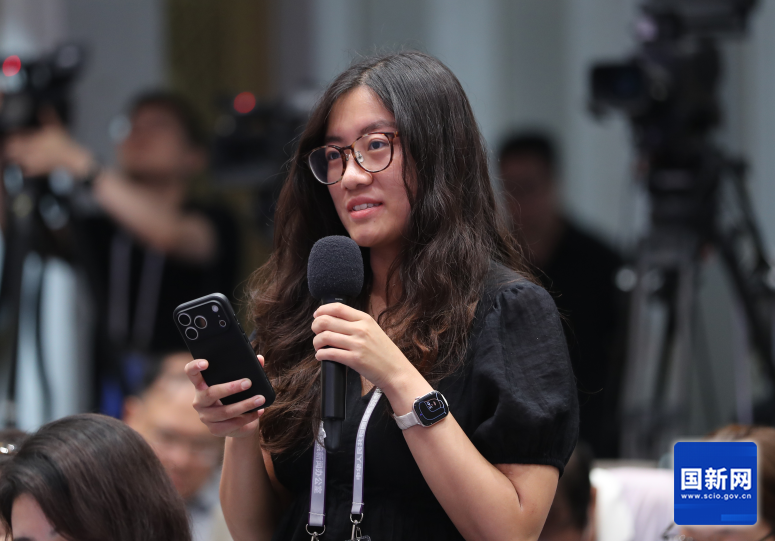
Thank you, Ms. Jia. Friends from the media, good afternoon. As Ms. Jia just said, today, the MOFCOM released a document titled "China's Position on the So-called Excess Capacity Issue."
国新办&中国网 2026-10-20 12:38:30
收藏资讯
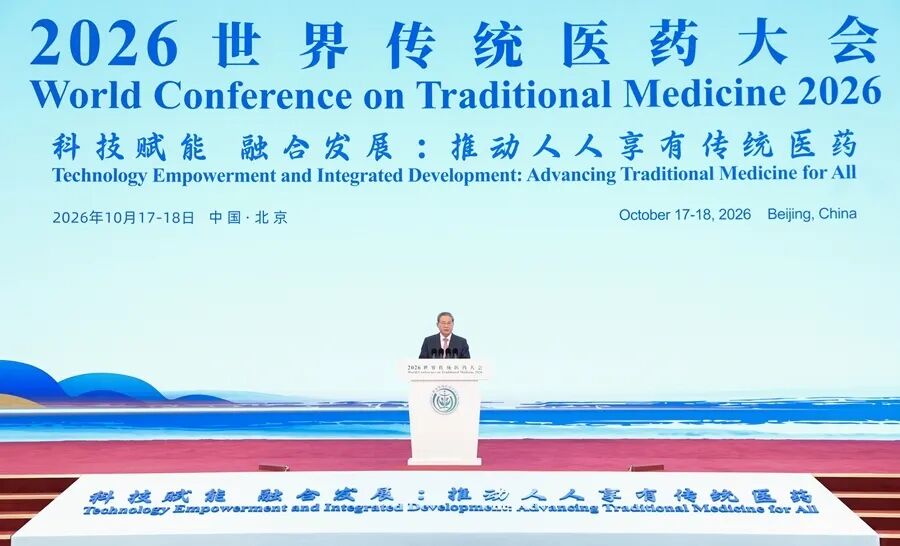
It is a pleasure to meet you all in Beijing at the World Conference on Traditional Medicine 2026. On behalf of the Chinese government, I extend our warmest congratulations on the opening of the conference and a warm welcome to all participants.
新华网 2026-10-20 10:17:20
收藏资讯
很高兴同大家相聚在美丽的花城广州,共同出席第140届中国进出口商品交易会。我谨代表中国政府,对各位的到来表示热烈欢迎!对大家长期以来为促进中外经贸合作和发展所作出的积极贡献表示衷心感谢!
新华网 2026-10-16 09:24:52
收藏资讯
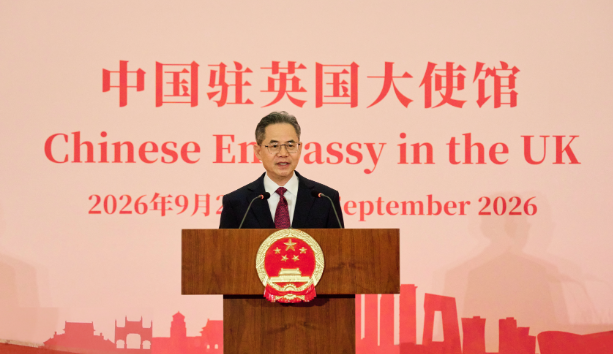
Tonight, we are gathered here to celebrate the 77th anniversary of the founding of the People’s Republic of China. On behalf of the Chinese Embassy in the UK, I would like to extend a warm welcome to all of you and my most sincere thanks for your long-sta
驻英使馆 2026-10-08 10:06:45
收藏资讯

微信公众号

微信小程序
 登录