CATTI-题库-真题-模拟-课程-直播
 沪江英语
沪江英语
 2013-09-16
 沪江英语
沪江英语
 546次
546次

2013年秋季上海中高级口译考试于今日9月15日开考,沪江英语在考后第一时间提供真题、解析、答案信息,本文为2013年9月高级口译听力真题 Note Taking and Gap Filling 部分。
Note Taking and Gap Filling
Good morning, ladies and gentlemen. Last week, we talked about some important terms in environmental science. Shall you still remember them, right? So in today’s environmental science class, I want to discuss a few of the terms here, actually some ideas about how we manage our resources. Let’s talk about what that means.
If we take resources like water, now maybe we should get a little bit more specific here, back from a more general case and talk about underground water in particular. So hydro geologists have tried to figure out how much water can we take out from underground sources. That has been an important question. Let me ask you guys, how much water, based on what you know so far, could you take out of , say, an aquifer… under the city. As much as what gets recharged?
Ok. So we wouldn’t like to take out more than naturally comes into it. The implication is that, well, if you only take as much out as comes in. You’re not going to deplete the amount of water that stores in there. Right? Wrong. But that’s the principle. That’s the idea behind how we manage our water supplies. It’s called Safe Yield. Basically what this message says is that you can pump as much water out of the system as naturally recharges, as naturally flows back in. So this principle of safe yield is based on balancing what we take out with what gets recharged. But what it does is it ignores how much water naturally comes out of the system, and natural system of certain matter of recharge comes in and certain matter of water naturally flowing out through springs, streams and lakes, and over long terms the amount that’s stored in the aquifer doesn’t really change much. It’s balanced. Now humans come in and start taking water out of the system. How have we changed the equation? It’s not balanced any more. Right. We take water out but water also naturally flows out. And the recharge rate doesn’t change. So the result is we’ve reduced the amount of water that stores in the underground system. If you keep doing that long enough, if you pump as much water out as naturally comes in, gradually the underground water level will drop. And when that happens, they can’t fix service water. How? Well, underground systems there are natural discharge points, places where the water flows out from the underground systems and into lakes and streams. Well, a drop of water level can mean those discharge points will eventually dry up, and that means water’s not getting to lakes and streams that depend on it. So we end up reducing the surface water supply, too. You know, in the state of Arizona, we’re managing some major water supplies with the principle of safe yield and under this method they will eventually dry up the natural discharge points of those aquifer systems. Now, why is this an issue? Well, aren’t some of you going to want to live in the state for a while? Won’t your kids grow up here, and your kids’ kids? You maybe concerned with “dose Arizona have water supplies which is sustainable—a key word here. What that means? The general definition of sustainable is whether it is enough to meet the needs of the present without compromising the ability of the future to have the availability to have the same resources. Now, I hope you see these two ideas are incompatible---sustainability and safe yield. Because what sustainability means is that it’s sustainable for all systems that depend on the water, for the people who use it, and for supplying water to the dependent water bodies like some streams. So I’m going to repeat this. So, if we are using a safe yield method, we’re only balancing what we take out with what gets recharged, but don’t forget, water also flows out naturally. Then the amount that has stored under ground gradually gets reduced, and that is going to lead to another problem: these discharge points with water flowing out the lakes and streams, they’re going to dry up. Ok?
【评析】话题 environmental science
本段落选自TOEFL OG Practice Test 1 Q11-16,重点讲了underground water 地下水的平衡问题。虽然听上去很吓人,但其实原理是大家都熟悉的,即抽取过多地下水,会破坏原有的地下水平衡,导致水量减少。
【关键词】
aquifer 蓄水层
hydro geologist 水文地质学家
safe yield 安全水量
equation 平衡
recharge 再装填
discharge 流量
incompatible 不相容的,矛盾的
上海中级口译通关课程>>
上海高级口译通关课程>>

 点赞(0)
点赞(0)

 收藏
收藏
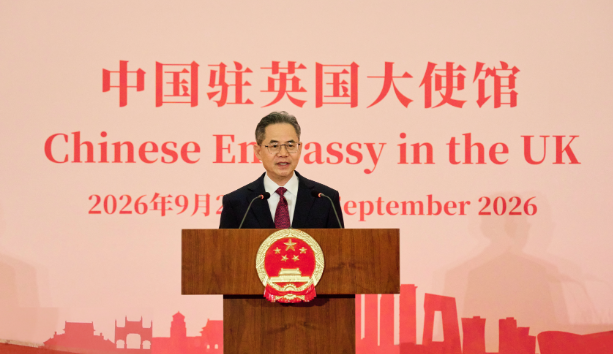
Tonight, we are gathered here to celebrate the 77th anniversary of the founding of the People’s Republic of China. On behalf of the Chinese Embassy in the UK, I would like to extend a warm welcome to all of you and my most sincere thanks for your long-sta
驻英使馆 2026-10-08 10:06:45
收藏资讯
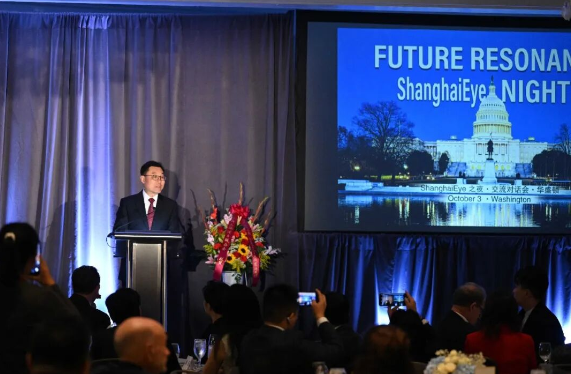
It gives me great delight to join you at the "Future Resonance — ShanghaiEye Night" China-U.S. people-to-people exchange events, which are also part of the "Shanghai Let's Meet" city promotion initiative.
驻美使馆 2026-10-08 09:48:03
收藏资讯
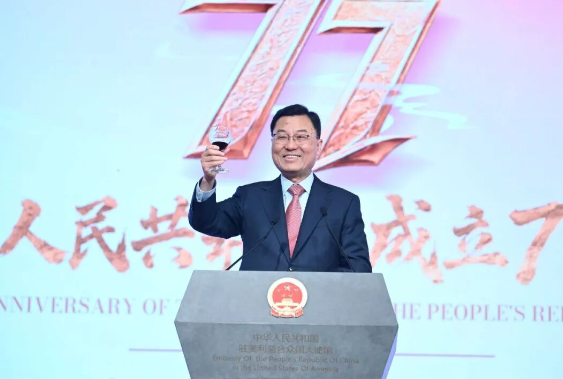
I am delighted to welcome you to our reception celebrating the 77th anniversary of the founding of the People’s Republic of China. Let me extend a warm welcome to you all and express my heartfelt thanks to friends from all walks of life who have long supp
驻美使馆 2026-10-08 09:46:22
收藏资讯
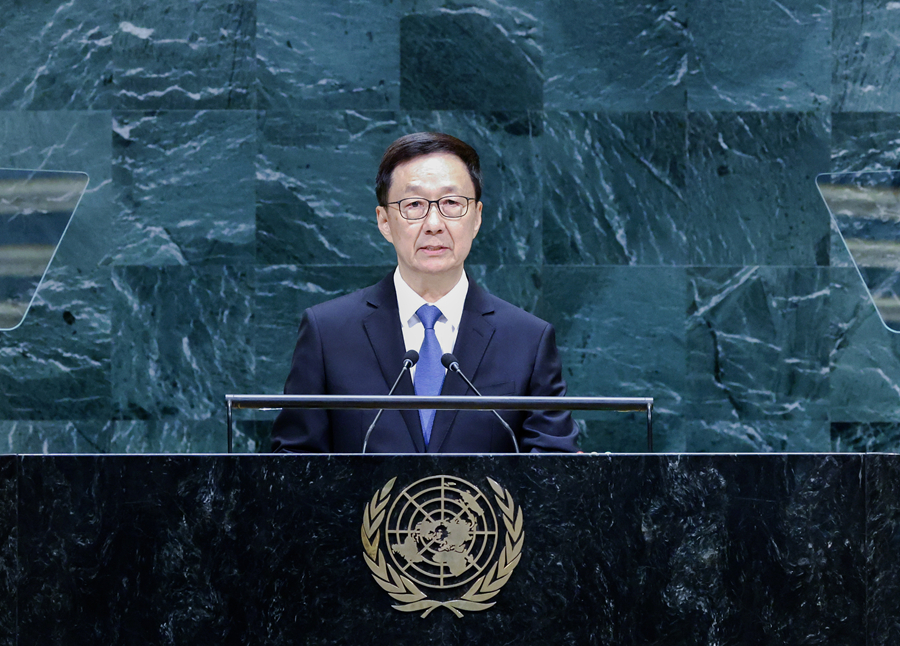
Welcome to the High-Level Dialogue on the Fifth Anniversary of the Global Development Initiative (GDI). In September 2021, President Xi Jinping put forward the GDI at the 76th Session of the United Nations General Assembly.
新华网 2026-09-28 11:17:47
收藏资讯

微信公众号

微信小程序
 登录
登录